Pollen Season Starts Before the Pollen — Preparing Your Defences in Late Winter
The tradition’s instruction is to strengthen the boundary while things are quiet, not to fight at the border in April.
Reviewed by Jimmy Yu, Certified Acupuncturist · Updated 2026-07-13
Quick answer
Chinese medicine reads spring sensitivity as a problem of the body’s boundary rather than of pollen itself, and prepares six to eight weeks before the season starts. Crucially, it runs on two separate tracks — nose-and-sneeze patterns and hot itchy skin patterns need opposite approaches and must not be mixed.
You Know Exactly When It Starts
People with spring sensitivity can name the week. Something shifts in the air, and within days it is the itching eyes, the sneezing that comes in runs of six, and the blocked head that makes everything feel like it is underwater.
Others get a different version entirely. Skin that flares as the weather turns — hot, itchy, red, sometimes weeping — and worse in the evening and worse with heat.
What almost everyone has in common is when they start doing something about it: the week the symptoms arrive, which in this framework is already late.
The classical approach is preparation while things are quiet. It is less satisfying than a fast-acting remedy and it is the part of the tradition most worth borrowing.
How Chinese Medicine Reads It
The Suwen chapter "Shang Gu Tian Zhen Lun" (《黄帝内经·素问·上古天真论》) states the general principle in six characters
虚邪贼风,避之有时
avoid harmful influences and thieving winds at the appropriate times. At the appropriate times. Timing is written into the instruction.
《黄帝内经·素问·上古天真论》
The Suwen chapter "Si Qi Tiao Shen Da Lun" (《素问·四气调神大论》) then describes spring as 发陈 — bringing out what has been stored — a season of upward, outward movement. Everything that was gathered inward over winter begins to rise, and in sensitive people it rises too vigorously.
The layer this concerns is wei qi, the defensive qi. The Lingshu chapter "Ben Zang" (《灵枢·本脏》) describes it as what warms the flesh, fills the skin and governs the opening and closing of the surface — 司开阖者也. A boundary that opens and closes appropriately.
In this framework spring sensitivity is not about pollen being harmful; it is about a boundary that responds excessively. That is why the tradition works on the boundary in the quiet season rather than on the pollen in the loud one.
Now the part that matters most, and where most self-directed approaches go wrong. This constitution runs on two entirely separate tracks. The nose track — sneezing, clear runny nose, worse in cold wind, feeling the cold — sits on a cold, deficient base and needs the surface strengthened and warmed. The skin track — hot, red, itchy, weeping eczema, worse with heat — sits on a damp-heat base and needs the opposite.
Mixing them up is the error that causes real trouble. Warming, strengthening ingredients such as astragalus (黄芪) and red dates (大枣) belong to the nose track. Given to someone with hot weeping skin, they can make the flare considerably worse. If your reactions are mainly skin, do not follow nose-track advice.
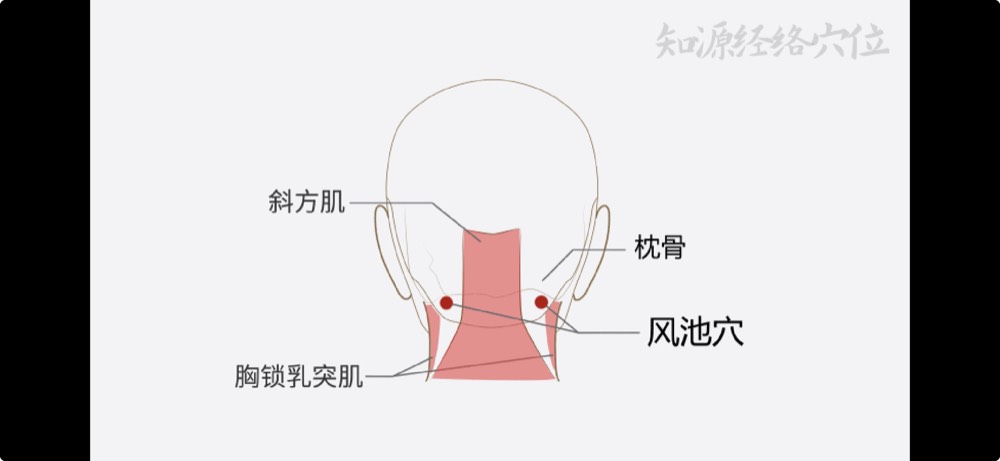
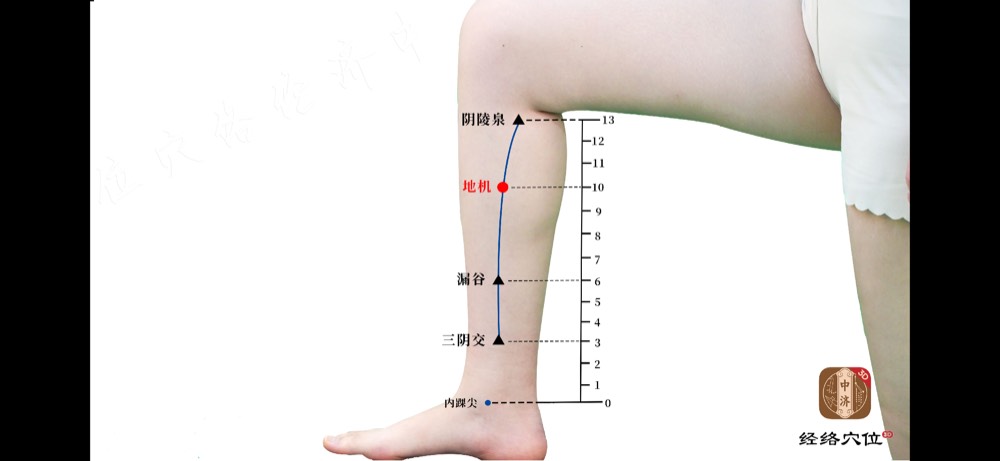
The points differ accordingly. For the nose track: Fengchi GB-20 ("Wind Pool") at the base of the skull, Yingxiang LI-20 ("Welcome Fragrance") beside the nostrils, and Zusanli ST-36 ("Leg Three Li") below the knee. For the skin track: Quchi LI-11 ("Pool at the Bend") at the outer end of the elbow crease and Yinlingquan SP-9 ("Yin Mound Spring") below the inner knee.
What’s Real, What’s Myth
Myth: strengthening herbs are good for all allergies. This is the most consequential myth in this whole area. Astragalus and red dates suit a cold, loose-surfaced, sneezing picture and can aggravate a hot, damp, itching one. There is no single allergy approach in this tradition, and anyone offering one has skipped the most important step.
Myth: local honey builds tolerance to pollen. It is a pleasant idea with weak support, and the pollens that cause most seasonal symptoms are wind-borne rather than the ones bees collect. Honey has other uses; this is probably not one of them.
Myth: preparation means taking something. Most of the preparation in this framework is behavioural — sleep, warm regular meals, moderate exercise that stops at a light sheen, and keeping the neck covered in wind. Those cost nothing and carry no interaction risk.
Myth: if you are prone to this, you should push through and build resistance with cold exposure. Cold wind on an open surface is the specific combination the tradition warns about, and doing it while already run down tends to make the season worse rather than better.
Real: starting six to eight weeks early is the whole idea. The tradition’s claim is that a boundary is strengthened in the quiet season, not during the storm — which in the northern hemisphere means starting in January or February, and in the southern hemisphere in July or August.
Five Things to Do Six Weeks Early
1. Work out which track you are on before anything else. Mostly sneezing, clear runny nose, itchy eyes, worse in cold wind, and you feel the cold generally — that is the nose track. Mostly hot, red, itchy or weeping skin, worse with heat and in the evening — that is the skin track. If you have both, or are unsure, get advice rather than guessing.
2. Nose track: strengthen the surface with habits first. Warm cooked breakfast, in bed before eleven, exercise that stops at a light sheen of sweat, and the back of the neck covered whenever you are out in wind. These are the foundation, and they matter more than anything you take.
3. Nose track, points: rub Fengchi GB-20 ("Wind Pool") — the two hollows at the base of the skull — for a minute, then Yingxiang LI-20 ("Welcome Fragrance"), in the groove beside each nostril, for a minute. Finish with Zusanli ST-36 ("Leg Three Li") for a minute each side.
4. Skin track: keep food cooling and light rather than warming, and keep the room cool at night. Adzuki bean and winter melon soup is the classical option here. Do not take astragalus or red dates — they are the wrong direction for this pattern. Press Quchi LI-11 at the outer end of the elbow crease and Yinlingquan SP-9 below the inner knee for a minute each.
5. Both tracks: reduce the load in the house during the season. Windows closed on high-pollen days and in the early morning, showering and changing after being outside, and drying laundry indoors. Unremarkable, and it lowers the total exposure your boundary has to cope with.
When to See a Doctor
Seek urgent help for any breathing difficulty, wheeze, tightness in the throat, swelling of the lips, tongue or face, or a widespread rash with faintness. Those are signs of a severe allergic reaction and need emergency care, not a seasonal plan. If you have been prescribed an adrenaline pen, carry it.
See your GP if symptoms affect your sleep, work or daily life, if you are using antihistamines most days for months, or if you have any wheeze or breathlessness with exercise. Effective medical options exist, allergy testing is available, and there is no reason to manage a difficult season alone.
For skin, see your doctor for eczema that is weeping, crusted, painful or spreading, since infected eczema needs proper attention. Do not stop prescribed steroid creams or asthma medication in favour of anything described here.
And on herbs specifically: astragalus and similar ingredients can interact with immune-affecting medication and are not suitable for everyone. If you take regular prescription medication, are pregnant, or have an autoimmune condition, speak to your doctor before taking anything, and see a registered practitioner rather than self-selecting from an internet list.
Which Constitution This Usually Points To
Reacting strongly to things that others tolerate — pollen, dust, animals, weather changes — points toward a special-sensitivity constitution (特禀质), which the tradition describes as a boundary that does not hold evenly.
The two tracks within it are the whole practical story. A cold, deficient base showing up as sneezing and a runny nose needs warming and strengthening. A damp-heat base showing up as hot itching skin needs clearing and lightening. The same constitution label, opposite plans, and the wrong one makes things worse rather than merely failing to help.
If your reactions are less about sensitivity and more about catching every chill going around, a qi-deficient constitution (气虚质) is the more likely reading, and the approach is closer to the nose track.
The quick assessment on this site walks you through 29 gentle questions in about three minutes and sorts out which track you are on before you start taking anything.
Keep Reading
The Runner’s Weak Spot
Why the day after a cold run so often starts with sneezing — and the few inches of skin that decide it.
Read →The Foot Point Pressed Wrong
Why grinding into the point between your first two toes can leave you more wound up than before.
Read →Three Points for Desk Tension
A five-minute sequence for the chest tightness that arrives every afternoon around three.
Read →When the Famous Point Backfires
Light-headed and flat after pressing the point below your knee? The technique, not the point, is usually the problem.
Read →The Classical Sweat Pair
Why one pair of points was used for both drenching sweat and no sweat at all — and how the direction changes.
Read →Tap the Side of Your Body
A five-minute morning routine along the outer thigh for the days you wake up heavy and slow.
Read →Find Your Constitution
29 gentle questions, about three minutes, and you have your TCM body type — so this guidance actually fits you.
Take the quick quiz →Related
Learn about the Inherited Special constitution →Frequently Asked Questions
When exactly should I start?
Six to eight weeks before your symptoms usually begin. If your season starts in April, begin in February; if you are in the southern hemisphere and it starts in September, begin in July. Note the week your symptoms started this year and count backwards for next year.
Can I take astragalus for my hay fever?
Only if your pattern is the cold, sneezing, easily-chilled one, and only after checking with your doctor if you take any regular medication or have an autoimmune condition. If your sensitivity shows up mainly as hot, itchy or weeping skin, it is the wrong direction and can make things worse.
Does this replace my antihistamines?
No, and please do not stop prescribed medication. What is described here is preparation aimed at how heavily the season lands, alongside whatever you use during it. Any change to prescribed medication is a conversation with your GP.
What if I have both hay fever and eczema?
That is common, and it is exactly the situation where guessing is a poor idea, since the two tracks pull in opposite directions. See a registered practitioner who can look at which pattern is currently leading, and be cautious about warming, strengthening ingredients in the meantime.
Last updated: 2026-07-13
This page offers general TCM educational perspectives, not medical advice or a diagnosis. For any health concern, please consult a licensed healthcare professional.