Cold Hands Even in Gloves — When the Warmth Isn’t Missing, It’s Stuck
Two patterns look identical from the outside and call for opposite approaches. One clue separates them.
Reviewed by Jimmy Yu, Certified Acupuncturist · Updated 2026-07-13
Quick answer
Icy fingers with a warm trunk, worse under stress and better with movement, is described in Chinese medicine as yang that is present but blocked rather than absent. That pattern responds to movement and release, not to warming foods — which is why gloves and ginger tea do so little for it.
Warm Jumper, Freezing Fingers
The complaint is oddly specific. Your body is fine — you are not shivering, the room is not cold, you have layers on — and your fingers are like ice. Gloves help while they are on and the moment they come off it is back within a minute.
Ask what makes it worse and the answer is rarely temperature. It is deadlines, difficult conversations, and the hour before something you are dreading.
Ask what makes it better and it is movement. Twenty minutes of walking and the fingers are warm; sitting at a desk for two hours and they are not.
That combination — warm centre, cold edges, tracking with stress rather than with weather — is a different pattern from being cold all over, and it needs an almost opposite approach.
How Chinese Medicine Reads It
The Suwen chapter "Jue Lun" (《黄帝内经·素问·厥论》) describes cold hands and feet arising in more than one way, including
阳气衰于下则为寒厥
when yang declines below, there is cold reversal. That is the genuinely cold picture: not enough warmth, and it reaches the low back, abdomen and knees as well as the hands.
《黄帝内经·素问·厥论》
But the tradition also describes a second route entirely. Zhang Zhongjing, in the Shanghanlun (《伤寒论》), sets out a picture in which the extremities are cold while the person is not cold in themselves — the warmth is present in the centre and is not reaching the edges, because qi is constrained and not moving outward.
That is the distinction this whole article turns on. In the first pattern the warmth is missing. In the second it is stuck. Feed warming food to someone whose warmth is stuck and it tends to produce heat where it already is — a warm red face, irritability, disturbed sleep — while the fingers stay cold.
The one clue that separates them is the trunk. Genuine cold reaches the lower back, the abdomen and the knees, is there in the morning, and eases clearly with a hot water bottle. Trapped warmth leaves the trunk perfectly comfortable, worsens with stress and eases with movement.
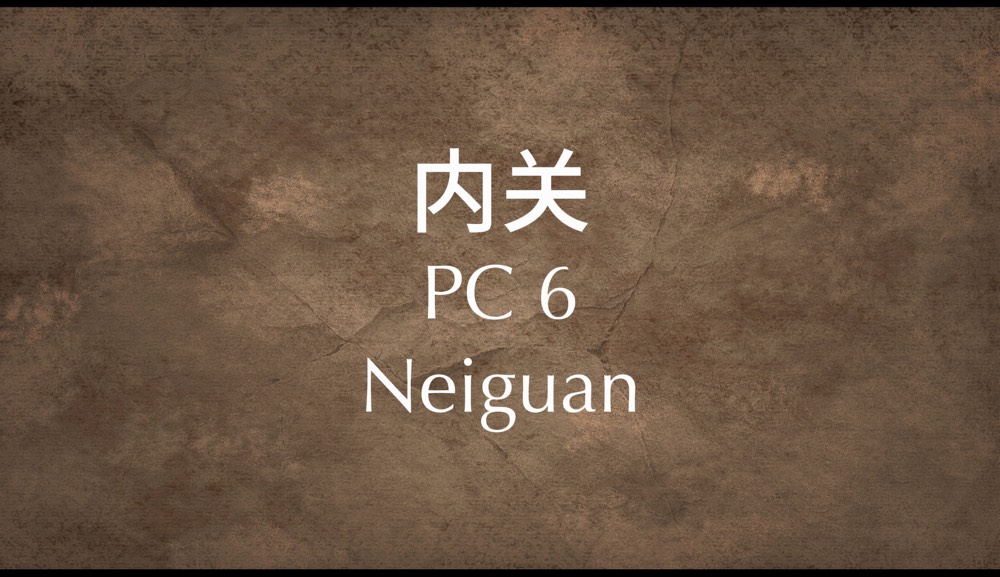
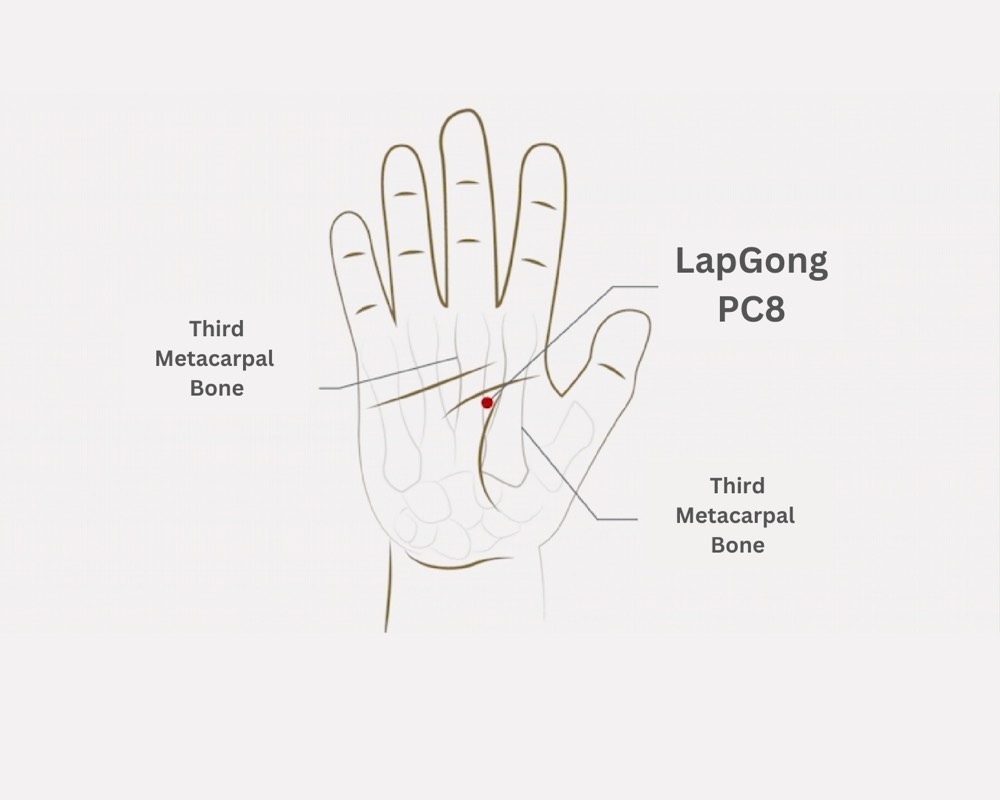
The points reflect the difference. Neiguan PC-6 ("Inner Pass") sits three finger-widths above the wrist crease between the two tendons, and is the classical point for opening the chest so that things can reach outward. Laogong PC-8 ("Labour Palace") sits in the middle of the palm where your middle finger touches when you make a loose fist. Taichong LR-3 ("Great Surge") sits on the top of the foot in the groove between the first and second bones.
The logic behind them is consistent: none of the three adds warmth. All three release what is holding it in place.
What’s Real, What’s Myth
Myth: cold hands always mean poor circulation and low body warmth. Circulation is a description rather than an explanation, and plenty of people with icy fingers have a warm trunk and normal tolerance of cold weather. What matters is the pattern of what makes it better and worse.
Myth: eat more warming food and it will resolve. If your warmth is stuck rather than missing, lamb, dried ginger and cinnamon in quantity tend to give you a warm face, restless sleep and cold fingers — heat added where it already is. People report this back to me regularly.
Myth: gloves and hand warmers are the answer. They work while they are on and change nothing underneath. They are worth having in winter; they are not a plan.
Myth: this is trivial and not worth looking into. Persistent cold hands with colour change — white, then blue, then red — is worth a GP appointment, and cold hands with low iron is common enough that measuring it is sensible. Read it as a pattern, and also have the ordinary causes checked.
Real: the test takes two weeks and settles it. Try a warming approach for a fortnight — warm cooked food, warm drinks, a heat pack on the low back. If your hands warm up, it was genuine cold. If nothing changes or your face gets warmer while your hands stay cold, it was stuck, and the plan changes.
Five Things You Can Do This Week
1. Run the two-week test before choosing an approach. Warm cooked meals, warm drinks, a heat pack over the low back most evenings, nothing else changed. Warmer hands means genuine cold; no change, or a warmer face with cold hands, means stuck — and the rest of this list is for the second group.
2. Move every forty minutes. Two minutes of walking, and shake your hands out at your sides. Trapped warmth reaches the fingers when the body moves, and a two-hour stretch at a desk is what undoes it. This is the highest-yield item here.
3. Hold Neiguan PC-6 ("Inner Pass") for a minute each side. Three finger-widths above the wrist crease, between the two tendons, firm comfortable thumb pressure, breathing out slowly. This is the desk one — nobody can see you doing it.
4. Rub Laogong PC-8 ("Labour Palace") briskly. Make a loose fist and note where your middle finger lands in the palm; rub that spot with the opposite thumb for a minute each side until the palm feels warm. Then interlace your fingers and rub the hands together vigorously for thirty seconds.
5. Work Taichong LR-3 ("Great Surge") in the evening and walk briskly four times a week. Slide your thumb along the groove between the first and second foot bones toward the toes, thirty strokes each foot. The walking matters more than the point — moving the whole pattern is what changes the fingers.
When to See a Doctor
Some cold-hand patterns need proper assessment. See your GP if your fingers reliably turn white, then blue, then red on cold exposure or with stress — that colour sequence is worth investigating, particularly if it comes with joint pain, rashes, or dryness of the eyes and mouth.
Seek urgent attention for one hand or finger that suddenly becomes cold, pale or blue, painful or numb. That is not a pattern question and it needs same-day assessment.
Book an appointment for numbness or tingling in the fingers, for hand pain that wakes you at night, for skin changes, ulcers or slow-healing sores on the fingers, and for cold hands alongside fatigue, hair thinning or unintended weight change. Ask for thyroid function, iron and ferritin, B12 and blood sugar.
If you smoke, this is one of the situations where stopping makes a genuine and fairly quick difference to how your hands feel, and your GP can help with that. And if cold hands are part of anxiety that is affecting your daily life, that is worth raising too — the two are frequently connected.
Which Constitution This Usually Points To
Cold fingers with a warm trunk, worse with stress and better with movement, alongside sighing, tight ribs and a mood that tracks with pressure at work, points toward a qi stagnation constitution (气郁质). Movement, not warmth, is the direction — and that is the counterintuitive part.
If the cold reaches the lower back, abdomen and knees, is present on waking, and eases clearly with a hot water bottle, a yang-deficient constitution (阳虚质) is the reading, and warmth genuinely is the answer.
A good number of people have some of both, which is why the two-week test is worth running rather than guessing. The quick assessment on this site walks you through 29 gentle questions in about three minutes and gives you a daily plan matched to your type, so you are not spending a winter on the wrong approach.
Keep Reading
Anxious or Qi Stagnant?
Tight chest, constant sighing, symptoms that move around — the pattern behind stress held in the body.
Read →The Foot Point Pressed Wrong
Why grinding into the point between your first two toes can leave you more wound up than before.
Read →Three Points for Desk Tension
A five-minute sequence for the chest tightness that arrives every afternoon around three.
Read →Stress Sits Under Your Ribs
Tight ribs, bloating that tracks with your workload, and a short fuse by six — one pattern, not three.
Read →Awake at Two Again
A racing mind and a tight jaw at two in the morning — the hour the body clock assigns to the Liver.
Read →The Jaw You Clench
Tight jaw, morning ache and grinding — and why the base of the skull matters more than the jaw.
Read →Find Your Constitution
29 gentle questions, about three minutes, and you have your TCM body type — so this guidance actually fits you.
Take the quick quiz →Related
Learn about the Qi Stagnation constitution →Frequently Asked Questions
How do I tell trapped warmth from genuine cold?
Check the trunk. Genuine cold reaches the lower back, abdomen and knees, is there in the morning, and eases with a hot water bottle. Trapped warmth leaves the trunk comfortable, worsens with stress rather than weather, and eases after twenty minutes of walking.
Can I have both?
Yes, and it is common — usually a cold base with stress-related constraint layered on top. In that case work on the movement side first for a few weeks, since it responds faster, then add gentle warmth to the low back and abdomen once the stress-linked pattern has settled.
Why do warming foods make my face hot but not my hands?
Because in this framework you are adding warmth to a system where warmth is already present but not distributing. The heat goes where things are already open — the face and chest — while the extremities stay as they were. That result is itself useful information about which pattern you have.
Do hand exercises help?
Vigorous rubbing and shaking the hands out do help in the moment, and they are worth doing hourly at a desk. What changes the underlying pattern is whole-body movement — brisk walking four times a week — rather than anything done with the hands alone.
Last updated: 2026-07-13
This page offers general TCM educational perspectives, not medical advice or a diagnosis. For any health concern, please consult a licensed healthcare professional.