The Ice Bath Question After Forty — When Cold Exposure Costs More Than It Gives
The classics have one instruction about cold and the skin, and it is the opposite of what the current fashion says.
Reviewed by Jimmy Yu, Certified Acupuncturist · Updated 2026-07-13
Quick answer
Chinese medicine reads repeated cold exposure as a demand on the body’s warmth rather than as a free stimulus. Men who feel sharp for an hour and then flat for a day, or who get loose stools and a cold low back afterwards, are paying more than they gain; the classics were explicit about protecting warmth in cold seasons.
Sharp for an Hour, Flat for a Day
The first few weeks are usually described the same way. A shock, then a rush, then an hour of feeling clear and pleased with yourself.
By the second month a second pattern appears in about half the men I see doing it. Sharp for an hour, then unusually flat for the rest of the day. A cold low back that takes hours to warm up. Loose stools the next morning. And a slow creeping fatigue that they do not connect to the plunge because the plunge is supposed to be the healthy part.
The other half report nothing of the kind and carry on happily. That difference is the whole subject of this article.
To be clear about what this is not: it is not an argument that cold exposure is harmful. It is an argument that it is a stimulus with a cost, and that whether the trade is a good one depends on what you have in reserve.
How Chinese Medicine Reads It
The Suwen chapter "Si Qi Tiao Shen Da Lun" (《黄帝内经·素问·四气调神大论》) gives an instruction for winter that could not be more directly at odds with the current fashion
去寒就温,无泄皮肤,使气亟夺
avoid cold and stay warm, do not let the surface open and lose qi.
《黄帝内经·素问·四气调神大论》
Do not let the surface open. In this framework the skin is a boundary that opens and closes, and repeated cold exposure is a demand made on the system that manages it.
The Suwen chapter "Tiao Jing Lun" (《素问·调经论》) supplies the other half: 阳虚则外寒 — when yang is deficient, cold appears on the outside. Yang here is simply the capacity to generate and hold warmth, and the classics locate its deepest reserve at the kidneys and the low back.
That is why the low back is the most useful place to read the answer. A man with plenty in reserve gets in the cold, his system responds, and there is no lasting cost. A man whose reserve is already thin spends something he did not have, and the low back tells him about it for the rest of the day.
The other classical piece is age. The Suwen chapter "Shang Gu Tian Zhen Lun" (《素问·上古天真论》) maps male development in cycles of eight years and puts the beginning of decline at 五八 — forty. Not a cliff, but the point at which withdrawals start to show.
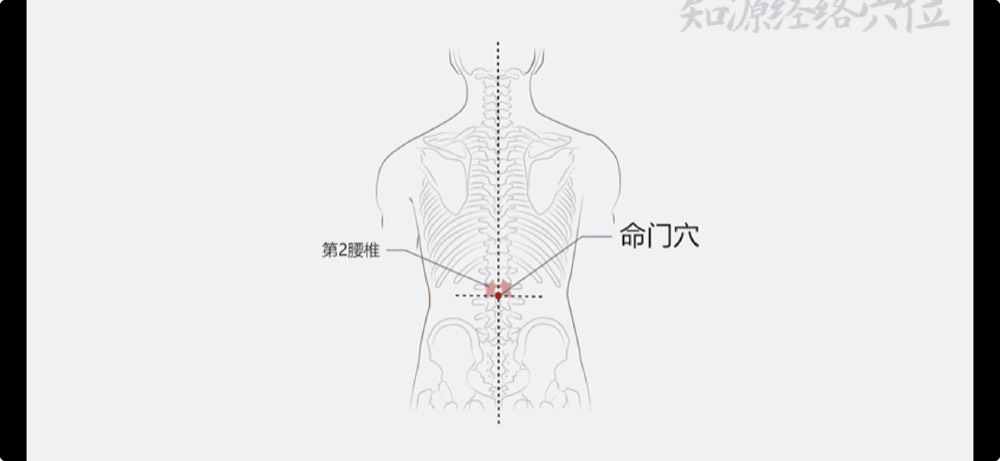
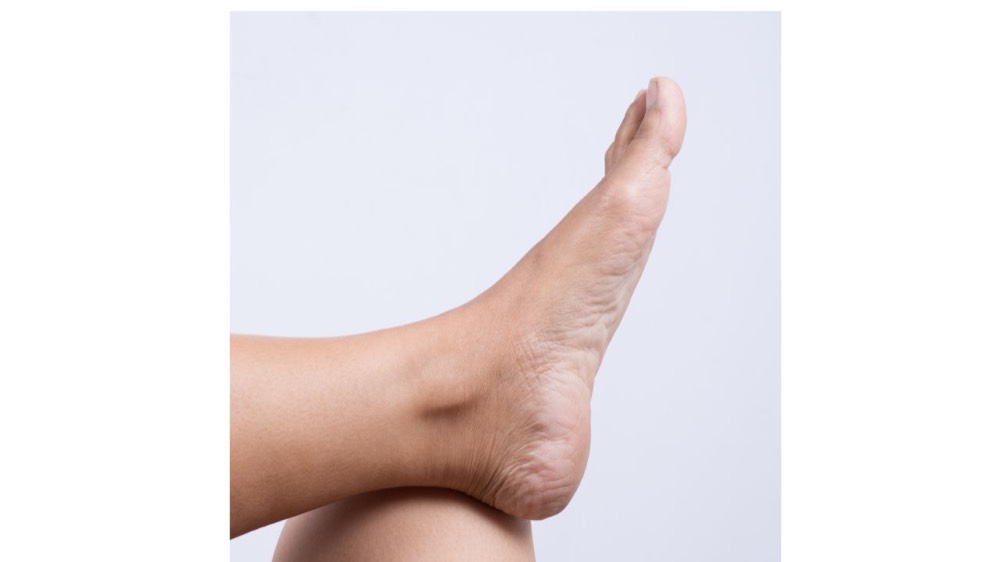
The points here are the ones you would expect. Mingmen GV-4 ("Life Gate") on the midline at waist level, Shenshu BL-23 ("Kidney Transport") either side of it, Guanyuan CV-4 ("Origin Pass") four finger-widths below the navel, and Taixi KI-3 ("Great Ravine") between the inner ankle bone and the Achilles tendon.
What’s Real, What’s Myth
Myth: cold exposure is universally beneficial, and if it feels bad you need to build tolerance. This is where the fashion has outrun the evidence and the tradition alike. Cold is a stressor, stressors have costs, and building tolerance to a stressor while already depleted is how people go backwards for a season.
Myth: the discomfort is the point. The discomfort tells you the stimulus is strong; it tells you nothing about whether the trade was worthwhile. The useful measurement is not how you feel during it but how you feel four hours later and the following morning.
Myth: a cold shower is basically the same thing as a plunge. A brief cold rinse at the end of a warm shower is a much smaller demand and suits far more people. If cold exposure appeals to you and long plunges do not suit, this is the version worth keeping.
Myth: if it works for the men in the videos it should work for you. Most of them are considerably younger, sleep more, and are not doing it after a five-hour night and a fourteen-hour day. Context is doing more work in those results than the water is.
Real: the low back is the tell. Cold plunges that leave your lower back cold and aching for hours, that produce loose stools the next morning, or that leave you flat rather than clear, are costing you more than they return. That is worth acting on rather than pushing through.
Six Things You Can Do This Month
1. Track the four-hour mark for two weeks. Note how you feel four hours after each session and the following morning, not during it. Clear and steady means the trade is fine. Flat, cold-backed, or loose in the mornings means it is not, and that is your answer.
2. Do not do it on a bad night’s sleep or a heavy week. If you slept under six hours, if you are already run down, or if something is going around the household, walk instead. This single rule prevents most of what I see going wrong.
3. Shorten it before you abandon it. Thirty seconds to a minute at the end of a warm shower is a genuine stimulus with a fraction of the demand, and most men who felt worse on long plunges do perfectly well on this.
4. Warm the low back immediately afterwards. Dry off properly, dress, and rub your palms together then rub firmly up and down over Shenshu BL-23 ("Kidney Transport") and Mingmen GV-4 ("Life Gate") at waist level until the area feels warm. Two to three minutes. Do not stand around wet in cold air.
5. Warm the middle from the inside. Something warm to drink and something warm to eat within half an hour, rather than a cold protein shake. Ginger tea is the traditional choice and it is not complicated.
6. If you are stopping, do the opposite for a month. Warm the low back daily, cover the area, sleep before eleven, and finish training at a light sheen rather than emptied. Then reassess whether cold exposure is something your system can afford right now — for many men the answer changes after a good season.
When to See a Doctor
Cold water immersion carries real risks, and they are worth naming. Do not do it alone, do not do it in open water without supervision, and do not do it at all if you have a heart condition, an abnormal heart rhythm, uncontrolled hypertension, epilepsy, or Raynaud-type colour changes in your fingers. Talk to your doctor first if you have any ongoing condition or take regular medication.
Stop immediately and seek help for chest pain or pressure, palpitations, breathlessness that does not settle, confusion, or shivering that will not stop after you have warmed up. Cold shock affects breathing in the first minute, and that is when most incidents happen.
See your GP if fatigue has been building over months regardless of what you do, and ask for thyroid function, iron and ferritin, B12, blood sugar and a general check if you are over forty. Sleep apnoea is worth raising if you snore heavily or fall asleep easily during the day.
And book an appointment for a cold, aching low back that is persistent rather than post-plunge, for waking more than once a night to pass urine, or for any change in urinary flow. Those belong with your doctor rather than in a routine.
Which Constitution This Usually Points To
Feeling flat and cold-backed after cold exposure, with loose morning stools, cold knees, a preference for hot drinks all year and waking at night to pass urine, points toward a yang-deficient constitution (阳虚质). For this pattern cold exposure is a poor trade at almost any age, and warmth on the low back is worth more than any amount of tolerance-building.
If the dominant experience is exhaustion rather than cold — breathlessness on stairs, a soft voice, easy sweating — a qi-deficient constitution (气虚质) is underneath, and the rule there is to stop the drain before adding any new stressor.
If you run warm, sleep well, recover quickly and feel genuinely better the next morning, that is a robust picture and cold exposure may suit you perfectly well. Not every practice needs to be abandoned; it needs to be matched.
The quick assessment on this site walks you through 29 gentle questions in about three minutes and gives you a daily plan matched to your type, including whether your system currently has room for this kind of stressor.
Keep Reading
Why Am I Always Cold?
The TCM take on cold hands, cold feet, and never feeling warm.
Read →Always Cold: Qi or Yang?
How to tell whether your cold hands and feet come from thin qi or from low inner warmth — and what each one asks for.
Read →The Iced Coffee Question
Why four cold brews a day flatten some men and not others — and the swaps that cost you nothing.
Read →The Evening Foot Soak
The right temperature for your pattern, the right timing, and who should skip it entirely.
Read →Long Hours Sitting
What eight hours in a seat does below the waist — and the three-minute habit that answers it.
Read →Cold Feet, No Sleep
Why you lie awake for an hour with warm shoulders and freezing feet — and the ten-minute answer.
Read →Find Your Constitution
29 gentle questions, about three minutes, and you have your TCM body type — so this guidance actually fits you.
Take the quick quiz →Related
Learn about the Yang Deficiency constitution →Frequently Asked Questions
Is Chinese medicine simply against cold plunges?
No. It has no position on a modern practice, but it is consistent about cold being a demand rather than a free stimulus. The classical instruction in cold seasons is to protect warmth and avoid opening the surface, so the question becomes whether your system can afford the demand right now.
How do I know if it is helping or costing me?
Look at four hours later and the next morning rather than the ten minutes afterwards. Clear, steady and warm means it suits you. Flat, cold in the low back, or loose stools the following morning means it does not, whatever the rush during felt like.
Would a cold shower be safer?
Considerably, for most people — a brief cold rinse at the end of a warm shower is a much smaller demand and carries none of the immersion risks. If you like cold exposure but plunges leave you flat, this is the version worth keeping.
Does the season matter?
In this framework, yes. Autumn and winter are described as the gathering and storing seasons, when protecting warmth matters most. Men who tolerate cold exposure well in summer often find the same routine costs them noticeably more in midwinter.
Last updated: 2026-07-13
This page offers general TCM educational perspectives, not medical advice or a diagnosis. For any health concern, please consult a licensed healthcare professional.