Why Training Harder Made You More Tired — The Low-Back Habit That Rebuilds Faster Than the Gym
Three minutes, no equipment, and a two-thousand-year-old line about what the low back actually is.
Reviewed by Jimmy Yu, Certified Acupuncturist · Updated 2026-07-13
Quick answer
When more training produces less energy, Chinese medicine reads it as spending a reserve rather than building one. The classics locate that reserve at the low back. Rubbing the area either side of the spine at waist level until it is warm, daily, is the traditional way to support it, and it takes about three minutes.
More Sessions, Worse Results
A man in his late forties tells me he has increased his training because his energy dropped. Five sessions a week now, up from three, and the energy has dropped further. He wants to know what he is doing wrong in the gym.
Usually nothing, in the gym. The clue is elsewhere in what he tells me: he is stiffer in the low back than he was, sleeping worse, waking once or twice to pass urine, and feeling cold in a way he did not five years ago.
There is a specific tell for this pattern. After a hard session you feel reasonable for an hour and then unusually flat, sometimes for a day and a half. That is not the pleasant tiredness of good training. It is a withdrawal showing up on the statement.
And most men respond by adding another session, because that is what has always worked before. This is the point at which the arithmetic quietly changed and nobody sent a notification.
How Chinese Medicine Reads It
The Suwen chapter "Mai Yao Jing Wei Lun" (《黄帝内经·素问·脉要精微论》) gives the low back a job description in one line
腰者,肾之府
the low back is the residence of the kidneys. It continues that when a person cannot turn or bend properly there, the kidney system is becoming worn.
《黄帝内经·素问·脉要精微论》
In this language the kidneys are not simply the filtering organs. They hold the deep reserve — the capacity you draw on when day-to-day energy has run out. The low back is where the tradition says you can feel the state of that reserve.
The Suwen chapter "Ju Tong Lun" (《素问·举痛论》) adds the mechanism in three characters: 劳则气耗 — exertion consumes qi. Not exertion is bad, but exertion spends. Whether that is a good trade depends entirely on what is in the account.
This is the piece that gets lost in modern training culture. Training is a stress you recover from, and recovery is paid for out of reserve. When the reserve is full, more training makes you stronger. When it is not, more training makes you flatter, and the harder you push the faster you go backwards.
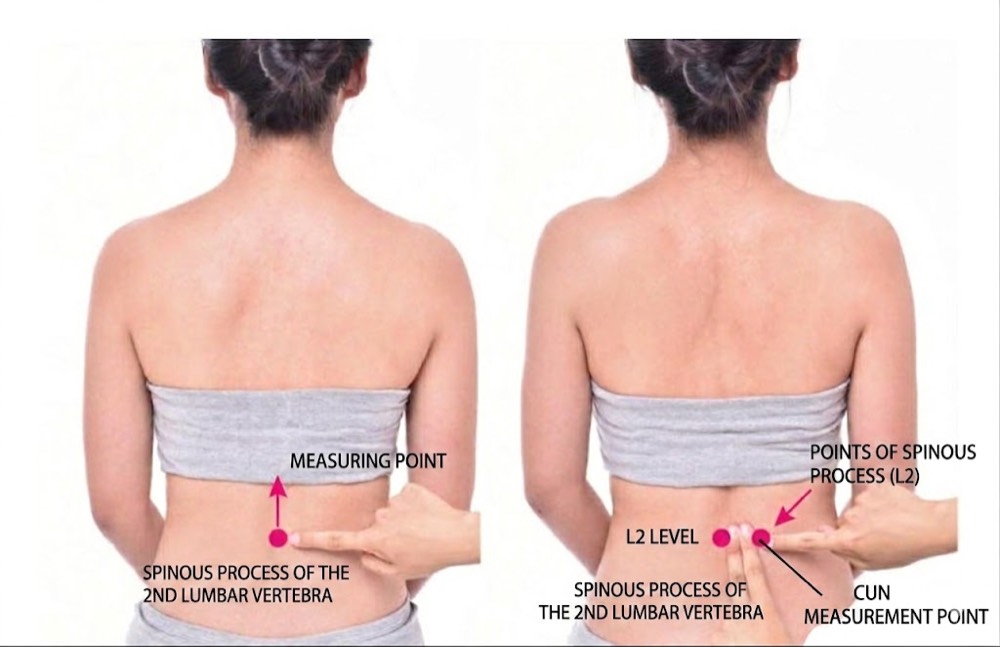
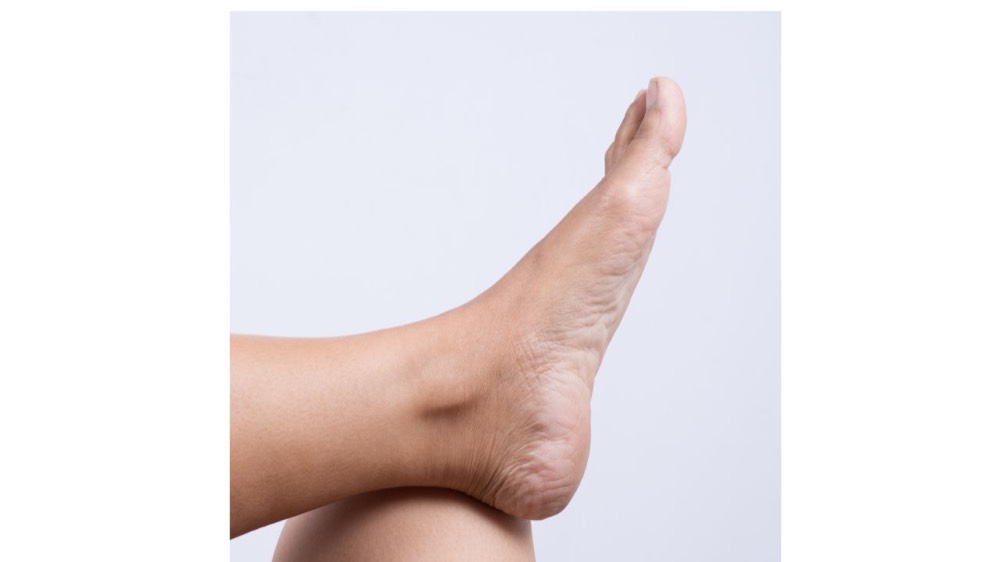
The points are simple and reachable. Shenshu BL-23 ("Kidney Transport") sits either side of the spine at waist level, about two finger-widths out from the midline. Mingmen GV-4 ("Life Gate") sits between them, on the midline. Taixi KI-3 ("Great Ravine") sits in the hollow between the inner ankle bone and the Achilles tendon. Zusanli ST-36 ("Leg Three Li") sits below the knee.
The traditional method for the back points is not pressure at all — it is friction. Rubbing until the skin is warm, daily, is described across the classical literature as a longevity habit rather than a fix for anything in particular. It is slow, unspectacular, and the men who do it for a month tend to keep doing it.
What’s Real, What’s Myth
Myth: fatigue means you are unfit and need to train through it. Sometimes true in your twenties. From forty onward the more common story in my clinic is a man who is fit and under-recovered, and for him the extra session is the problem rather than the solution.
Myth: rubbing your back is too gentle to do anything. That is a reasonable instinct and I understand it. What I would say is that the men who report the clearest change over six weeks are almost never the ones who added something hard — they are the ones who did three unimpressive minutes every day without missing.
Myth: soreness the day after means the session worked. Muscle soreness and systemic flatness are different things. Feeling wiped out and irritable for a day and a half afterwards is not a training effect worth having, whatever it says about effort.
Myth: stretching alone will sort out a stiff low back. Stiffness that comes from a depleted reserve does not respond well to stretching, and men who stretch harder at it often end up more irritated. Warmth and gentle movement suit it better than length work.
Real: the cold detail matters. When low back stiffness comes with feeling the cold more than you used to, waking at night to pass urine, and knees that complain on stairs, the classical reading is about reserve rather than about muscle — and the plan changes accordingly.
Five Things You Can Do This Week
1. Do the three-minute rub daily. Rub your palms together until warm, then rub firmly up and down over Shenshu BL-23 ("Kidney Transport") and Mingmen GV-4 ("Life Gate") — waist level, either side of the spine and on the midline — until the whole area feels warm. Morning or before bed, every day, no exceptions week to week.
2. Cut one hard session and keep the total movement. Replace it with a brisk walk, an easy swim or twenty minutes of mobility. Most men find their remaining sessions get better within three weeks, which is usually the moment the argument stops.
3. Finish sessions at a light sheen. In classical terms heavy sweating spends the same reserve you are training to build. If you finish emptied rather than worked, the trade was not a good one.
4. Cover the low back and keep it out of draughts. No gap between shirt and waistband, no air conditioning blowing on it, and something over it when you sit for long stretches in a cold office. Unremarkable and consistently underrated.
5. Hold Taixi KI-3 ("Great Ravine") for a minute each side in the evening. Thumb in the hollow between the inner ankle bone and the Achilles tendon, gentle steady pressure while sitting. This is the quiet companion to the back rub, and gentle beats strong here.
When to See a Doctor
Low back pain has red flags that belong to a doctor, not a routine. See someone urgently for numbness in the groin or inner thighs, difficulty controlling your bladder or bowels, or weakness in a leg. Those need same-day assessment.
Book an appointment for back pain that is severe, that wakes you at night, that came on after a fall, that comes with fever, or that has been steadily worsening over weeks. Also for pain that travels down a leg past the knee with numbness or weakness.
For the fatigue side, ask for basic blood work before assuming this is about recovery — thyroid function, iron, B12, blood sugar, and a general check if you are over forty. Sleep apnoea is worth raising if you snore heavily or fall asleep easily during the day, since it produces this exact picture and no amount of training changes it.
Waking more than once a night to pass urine, a weaker stream, or difficulty starting is worth a conversation with your GP rather than a self-directed plan. And avoid heat packs or vigorous rubbing over any area that is numb, or if you have diabetes or reduced sensation — check with your doctor first.
Which Constitution This Usually Points To
Feeling flatter after training rather than better, with breathlessness on stairs, a soft voice and easy sweating, points toward a qi-deficient constitution (气虚质). For this pattern the order matters: stop the drain first, then build. Adding load to a depleted system is the mistake that costs the most time.
If the cold is prominent — cold low back and knees, waking to pass urine at night, a preference for hot drinks all year — the picture leans toward a yang-deficient constitution (阳虚质), and warmth on the low back matters more than anything you do in a gym.
If you would rather not spend another six months finding out the hard way, the quick assessment on this site walks you through 29 gentle questions in about three minutes and gives you a daily plan matched to your type, including how much training actually suits you right now.
Watch: Jimmy explains this in the clinic
Keep Reading
Always Tired After Sleeping?
When a full night's rest still leaves you exhausted — the TCM view.
Read →Why Do I Sweat So Easily?
Daytime sweat, night sweats, sweaty palms — the TCM reading.
Read →When You Fit Two Types
Cold hands but mouth ulcers? Tired but wired? How to read a mixed constitution and what to work on first.
Read →When the Famous Point Backfires
Light-headed and flat after pressing the point below your knee? The technique, not the point, is usually the problem.
Read →The Classical Sweat Pair
Why one pair of points was used for both drenching sweat and no sweat at all — and how the direction changes.
Read →Late Autumn Burnout in Men
Why the same flat, heavy tiredness arrives every year around the same time — and what the classics said to do about it.
Read →Find Your Constitution
29 gentle questions, about three minutes, and you have your TCM body type — so this guidance actually fits you.
Take the quick quiz →Related
Learn about the Qi Deficiency constitution →Frequently Asked Questions
How do I tell under-recovery from being unfit?
Look at what happens two hours after a session and the following day. Good training leaves you pleasantly tired and better the next morning. Under-recovery leaves you flat for a day or more, irritable, sleeping worse, and slowly getting weaker despite doing more. The second picture does not improve by adding sessions.
Is the back rub meant to be over skin or clothing?
Either works, though over skin or a thin layer generates warmth faster. The aim is warmth rather than pressure — you are looking for the area to feel genuinely warm at the end, not for deep tissue work. Two to three minutes is usually enough.
Can I still lift heavy?
Yes, once the picture improves. During a depleted stretch, keeping intensity moderate and cutting volume works better than the reverse. Most men in my clinic go back to heavier work after six to eight weeks and find it goes better than it did before they backed off.
How long until I notice something?
Sleep and morning energy usually shift first, around two to three weeks. Low back stiffness takes longer, closer to six weeks. If nothing at all has changed in two months of consistency, have your doctor check the ordinary causes rather than pushing harder at the routine.
Last updated: 2026-07-13
This page offers general TCM educational perspectives, not medical advice or a diagnosis. For any health concern, please consult a licensed healthcare professional.