Why Men Hit the Wall in Late Autumn — The Storing Season Nobody Taught You About
The classics gave each season a job. Autumn’s job is gathering in, and most men spend it doing the opposite.
Reviewed by Jimmy Yu, Certified Acupuncturist · Updated 2026-07-13
Quick answer
In Chinese medicine, autumn and winter are the seasons of gathering in and storing. The deep tiredness many men notice in late autumn is the body following that rhythm while the calendar refuses to. Working the same hours on more caffeine spends reserves that this part of the year is meant to be rebuilding.
The Tiredness That Arrives on Schedule
A version of this conversation happens every year. A man in his forties or fifties says he has been flat for about a month, that nothing in particular has changed, and that he cannot work out why. When I ask whether this happens at the same time each year, there is usually a pause, and then: "Actually, yes."
The description is consistent. Not the sharp tiredness of a bad week, but something lower down — a reluctance in the body, waking heavy, needing two coffees before anything makes sense, and a shorter fuse with everyone at home.
What they have almost always done in response is add. More caffeine, an earlier alarm, a harder gym block to shake it off. And the pattern holds for a fortnight before getting worse.
If you are reading this in the southern hemisphere, this is your May and June rather than your October and November. The season matters, not the month.
How Chinese Medicine Reads It
The Huangdi Neijing devotes a whole chapter to this, "Si Qi Tiao Shen Da Lun" (《黄帝内经·素问·四气调神大论》), and it is one of the most practical things in the entire text. Each season is given a job, and the instruction for autumn is 收敛神气 — gather the spirit inward.
For winter it goes further: 冬三月,此谓闭藏 — the three months of winter are called shutting and storing. It advises going to bed earlier, rising later with the sun, and keeping your intentions "as though hidden, as though you already had what you wanted."
That last line is worth reading twice. It is an instruction to stop pushing outward for a stretch of the year, written by people who had noticed that bodies do not run at one setting for twelve months.
Late autumn is the hinge between the gathering season and the storing season, which is exactly when people report hitting the wall. The body has begun turning inward while the working year is heading into its busiest stretch.
The other half of this is specific to men. The Suwen chapter "Shang Gu Tian Zhen Lun" (《素问·上古天真论》) maps male development in cycles of eight years: at sixteen the kidney qi is abundant, and at forty — 五八 — 肾气衰, the kidney qi begins to decline, with hair thinning and teeth losing their lustre given as the visible markers.
That is not a claim about a disease. It is the tradition’s observation that men have a reserve, that it is finite, and that from around forty the withdrawals start showing. The reserve is what the classics call jing — essence — and the storing seasons are when it is meant to be topped up rather than spent.
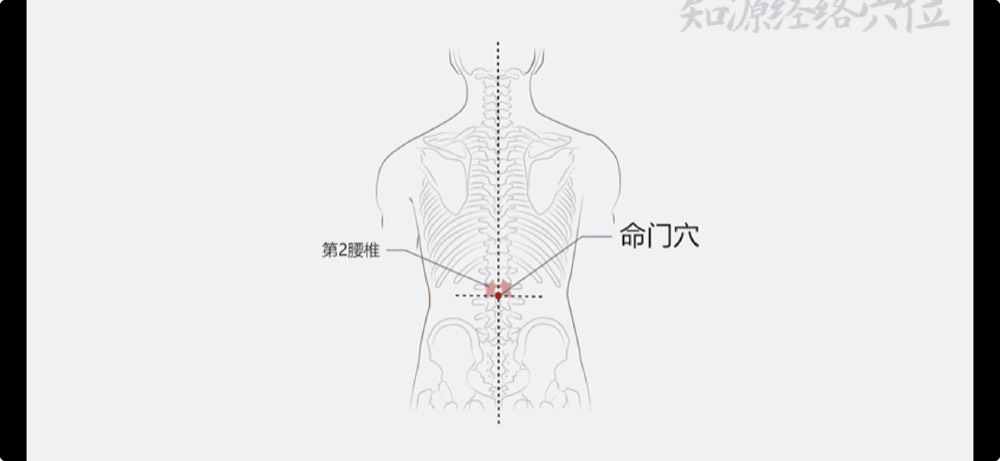
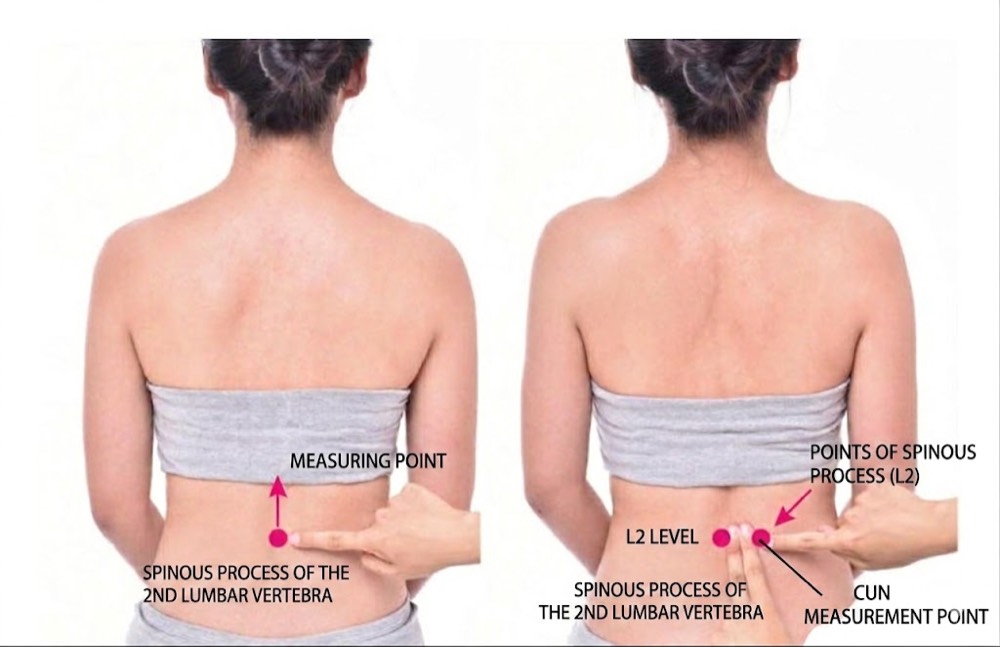
The points classical practice uses for this are all about the lower back and abdomen: Mingmen GV-4 ("Life Gate") on the midline at waist level, Shenshu BL-23 ("Kidney Transport") either side of it, Guanyuan CV-4 ("Origin Pass") four finger-widths below the navel, and Zusanli ST-36 ("Leg Three Li") below the knee to keep the daily supply coming in.
What’s Real, What’s Myth
Myth: seasonal tiredness means you need to train harder to break through it. In my clinic this is the single most common thing men do, and the one that reliably makes the next six weeks worse. Heavy training in the storing season spends the reserve you are trying to rebuild, and the tell is that you feel worse rather than better two hours after the session.
Myth: conserving essence is only about sex. The classics describe it much more broadly: sleep, overwork, chronic late nights, stimulants and pushing through exhaustion all draw on the same reserve. Five-hour nights across a working year cost more than anything else on that list.
Myth: more caffeine is a neutral solution. Coffee does not create energy, it borrows it, and in the storing season the borrowing rate is worse. The third coffee of the day is usually the one that flattens the next morning — most men can identify it once they look.
Myth: this is just getting older, and there is nothing to be done. Age changes the size of the reserve; it does not remove your influence over the rate of spending. The men who report the biggest change in my clinic are usually in their fifties, precisely because they had the most room to stop leaking.
Real: sleep timing matters more than sleep duration for this pattern. Getting to bed by eleven for a fortnight does more than adding an hour at the other end, and most men notice it within a week.
Six Things You Can Do This Season
1. Get to bed by eleven for two weeks and make that the whole experiment. In classical timing the late-night hours are when storing happens, and this is the one change that shifts the pattern fastest. It is also the one people resist hardest, which is worth noticing.
2. Cut the training back rather than up. Swap one hard session a week for a brisk walk or an easy swim, and finish every session at a light sheen of sweat rather than emptied. The classical rule is that heavy sweating spends the same reserve you are trying to build.
3. Warm the low back daily. Rub your palms together and rub firmly up and down over Shenshu BL-23 ("Kidney Transport") and Mingmen GV-4 ("Life Gate") at waist level, two to three minutes, until the area is warm. Keep that area covered — no gap between shirt and waistband, and no cold draught on the lower back.
4. Hold the third coffee. Not all of them — just the one after two in the afternoon. Most men find this single change alters how the following morning starts within about four days.
5. Move the evening meal earlier and make it warm and cooked. Soups, stews and braises suit this season, and adding a thumbnail of chenpi (陈皮, aged tangerine peel) to anything rich is the classical safeguard against a heavy meal sitting badly.
6. Book the recovery you would otherwise take in January. The storing season is the argument for taking your foot off the accelerator now rather than collapsing into a break later. Two quiet weekends in November are worth more than a fortnight off in February.
When to See a Doctor
Seasonal flatness is common; a steady decline is not. See your GP if the tiredness has been building for months rather than weeks, if it does not lift at all on holiday, or if it comes with unintended weight loss, drenching night sweats or recurring fevers.
Ask for basic blood work before assuming this is constitutional — thyroid function, iron, B12, blood sugar and, for men over forty, a general check. Sleep apnoea is worth raising specifically if you snore loudly, if anyone has noticed you stop breathing, or if you fall asleep easily during the day. It is common in men and frequently missed.
Book an appointment for breathlessness on exertion that is new, for chest discomfort of any kind with activity, for new low back pain that is severe or wakes you at night, or for changes in urination — going more often at night, difficulty starting, or a weaker stream. These are worth a conversation rather than a food change.
And plainly, because men tend not to raise it: if your mood has been low most days for a fortnight, if you have lost interest in things you used to enjoy, or if you are drinking more to get through the week, please talk to your GP. That is the right care and it sits alongside anything described here.
Which Constitution This Usually Points To
Flat, heavy tiredness that worsens with hard training, comes with a soft voice and breathlessness on stairs, and improves with rest and warm food, points toward a qi-deficient constitution (气虚质). The rule for this pattern is to stop the drain before adding anything — which is exactly what the storing season is for.
If the cold has become a bigger feature than the tiredness — cold lower back, cold knees, waking at night to pass urine, a clear preference for hot drinks all year — the picture leans toward a yang-deficient constitution (阳虚质), and warmth matters more than rest.
If you want to know which you are working with before you spend a season on the wrong approach, the quick assessment on this site walks you through 29 gentle questions in about three minutes and gives you a daily plan matched to your type, adjusted for the season where you actually live.
Watch: Jimmy explains this in the clinic
Keep Reading
Always Tired After Sleeping?
When a full night's rest still leaves you exhausted — the TCM view.
Read →Why Do I Sweat So Easily?
Daytime sweat, night sweats, sweaty palms — the TCM reading.
Read →When You Fit Two Types
Cold hands but mouth ulcers? Tired but wired? How to read a mixed constitution and what to work on first.
Read →When the Famous Point Backfires
Light-headed and flat after pressing the point below your knee? The technique, not the point, is usually the problem.
Read →The Classical Sweat Pair
Why one pair of points was used for both drenching sweat and no sweat at all — and how the direction changes.
Read →Training Harder, Feeling Worse
When more sessions make you flatter, the low back is where the classics said to look first.
Read →Find Your Constitution
29 gentle questions, about three minutes, and you have your TCM body type — so this guidance actually fits you.
Take the quick quiz →Related
Learn about the Qi Deficiency constitution →Frequently Asked Questions
Does this apply in the southern hemisphere?
Yes, shifted by six months. The classical instructions follow the season rather than the calendar month, so late autumn in Australia or New Zealand means May and June. If you have moved hemispheres, expect a year or two of your body arguing with the local calendar.
Should I stop training altogether in autumn and winter?
No — stopping entirely tends to make people stiffer and flatter. What changes is the intensity and the endpoint. Keep moving most days, finish at a light sheen of sweat rather than emptied, and swap one hard session a week for something easier. The aim is steady input, not none.
What actually is jing, in plain terms?
It is the tradition’s word for your deep reserve — the capacity you draw on when daily energy runs out. Unlike daily qi, which you replenish with food and sleep each day, jing is described as slow to rebuild and worth not spending casually. Chronic short sleep and pushing through exhaustion are the two largest withdrawals.
How long before the flatness lifts?
Most men notice a difference in the second week, and the change usually comes from the sleep timing rather than anything else. A fuller shift takes six to eight weeks. If nothing changes after two months of consistent effort, that is the point to have your doctor check the ordinary causes.
Last updated: 2026-07-13
This page offers general TCM educational perspectives, not medical advice or a diagnosis. For any health concern, please consult a licensed healthcare professional.