Sore for Four Days After One Session — When Recovery Is Running on Empty
The classics say the feet receive blood and can then walk. Recovery is a supply question before it is a training one.
Reviewed by Jimmy Yu, Certified Acupuncturist · Updated 2026-07-13
Quick answer
Soreness that lasts four days and a complexion that worsens the more you train are read in Chinese medicine as a supply problem rather than a training one. The classics say the sinews depend on blood; when there is not enough, hard sessions cost more than they build.
Training More and Looking Worse
A woman comes in having increased her training because her energy dropped, and she is now training five times a week and feeling considerably worse. One hard session leaves her sore for four days. She wants to know what she is doing wrong in the gym.
Usually nothing in the gym. The clues are elsewhere. A complexion that has gone flat and slightly grey. Hair coming out more in the brush. Dizziness when she stands up quickly. Periods that are lighter than they used to be, or that leave her wiped out for two days.
And the specific one that identifies this pattern: sleep that got worse rather than better as the training increased. In someone with enough in reserve, hard training improves sleep. In someone running low, it does the opposite.
That combination is not undertraining. It is a system being asked to build with materials it does not currently have.
How Chinese Medicine Reads It
The Suwen chapter "Wu Zang Sheng Cheng" (《黄帝内经·素问·五脏生成》) puts it as plainly as it can be put
肝受血而能视,足受血而能步,掌受血而能握
the liver receives blood and can then see, the feet receive blood and can then walk, the palms receive blood and can then grip.
《黄帝内经·素问·五脏生成》
Function follows supply. That is the whole argument, written two thousand years ago, and it is the piece missing from most modern training advice aimed at women.
The Suwen chapter "Wei Lun" (《素问·痿论》) adds the anatomy
肝主身之筋膜
the Liver governs the sinews and fascia of the body. In this system the Liver stores blood, and the sinews are what that stored blood nourishes. Muscles and tendons that are not being nourished do not repair quickly, and soreness that should clear in forty-eight hours takes four days.
《素问·痿论》
The Suwen chapter "Ju Tong Lun" (《素问·举痛论》) supplies the cost side in three characters: 劳则气耗 — exertion consumes qi. Not exertion is bad. Exertion spends, and whether that is a good trade depends on the balance in the account.
For women there is a structural reason the account runs lower. The Lingshu chapter "Wu Yin Wu Wei" (《灵枢·五音五味》) notes
妇人之生,有余于气,不足于血
enough qi, not quite enough blood — and the monthly cycle is a regular, predictable draw on exactly the resource that repairs sinews.
《灵枢·五音五味》
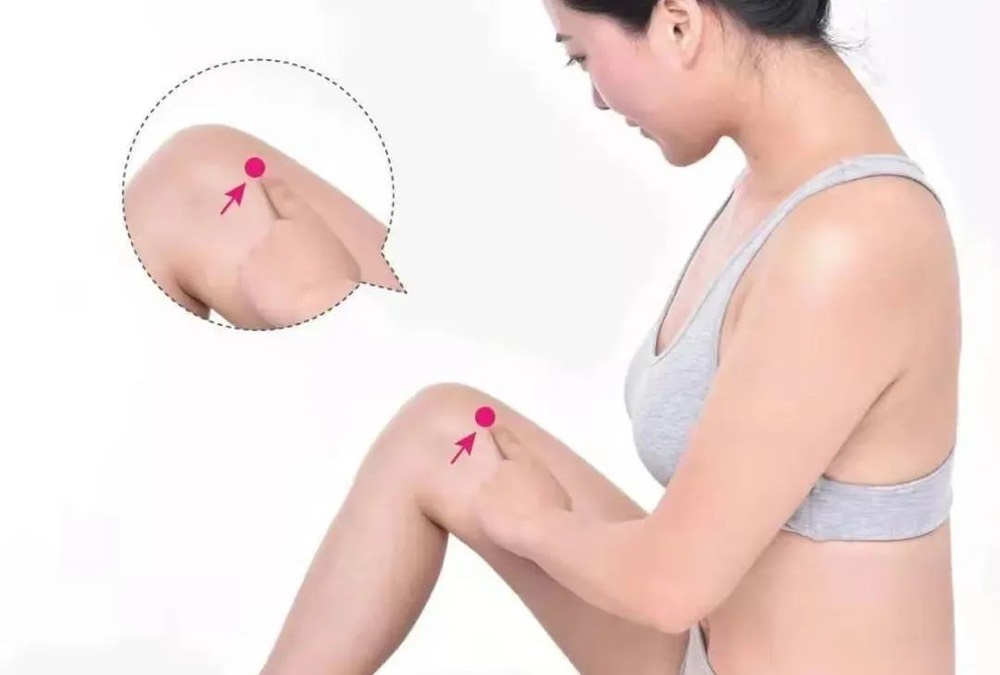
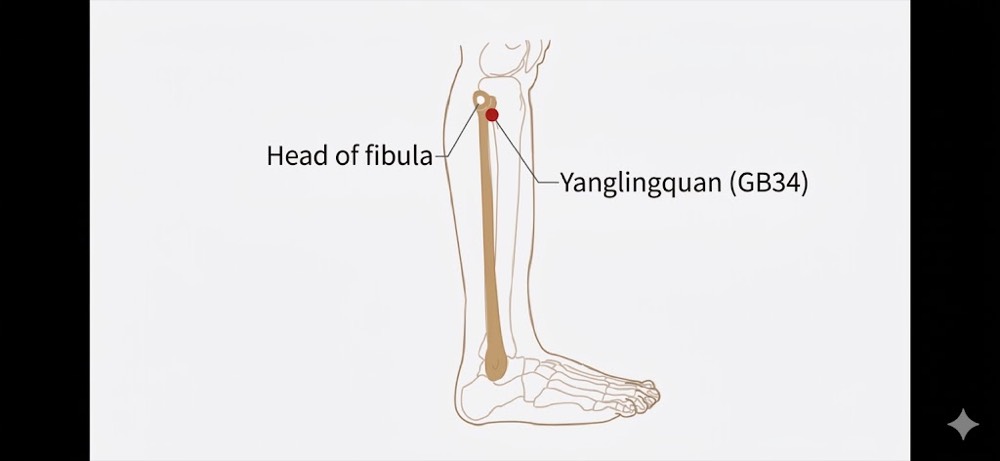
The points support supply rather than push output. Zusanli ST-36 ("Leg Three Li") sits a hand-width below the kneecap. Xuehai SP-10 ("Sea of Blood") sits two thumb-widths above the upper inner corner of the kneecap. Yanglingquan GB-34 ("Yang Mound Spring") sits below the outside of the knee and is the classical gathering point of the sinews.
What’s Real, What’s Myth
Myth: soreness is the measure of a good session. Soreness measures novelty and eccentric load, not quality, and four days of it is a recovery signal rather than a badge. The useful measure is whether next week’s session is better than last week’s.
Myth: if you are tired you need to train harder. From a supply perspective this is exactly backwards. When the account is low, adding withdrawals produces a flatter person, a worse complexion and more soreness — and the harder you push, the faster you go backwards.
Myth: training through your whole cycle at the same intensity is a sign of strength. The classics would say the week of and the week before a period are not the week to set records, and most women who adjust intensity around their cycle report training better overall rather than less.
Myth: heavy sweating means it worked. In classical terms heavy sweating spends the same reserve you are training to build, which is why hot studios and long saunas leave depleted women flatter for a day and a half afterwards.
Real: iron is the first thing to have measured. Low ferritin is genuinely common in menstruating women who train, and it produces this exact picture — poor recovery, breathlessness, flat complexion, hair shedding. No amount of food thinking substitutes for a blood test here.
Six Things You Can Do This Month
1. Have your bloods done before you change your programme. Iron and ferritin, thyroid function, B12 and vitamin D. This is the first step, not the last, and it changes the picture often enough to be worth doing first.
2. Cut one hard session and keep the total movement. Replace it with a walk, an easy swim or twenty minutes of mobility. Most women find the remaining sessions improve within three weeks, which is usually when the argument stops.
3. Finish sessions at a light sheen rather than emptied. If you finish wrung out rather than worked, and you are flat for a day afterwards, the trade was not a good one this month.
4. Eat properly around training, and warm. A cooked meal within an hour or two afterwards rather than a cold shake, and a warm cooked breakfast on training days. This is the least fashionable advice here and the one that changes recovery most.
5. Add the classical blood-nourishing foods. Black sesame (黑芝麻) ground into porridge, red dates, beetroot, dark leafy greens, and mulberries (桑葚). Add a thumbnail of chenpi (陈皮, aged tangerine peel) to anything rich so it does not sit heavily.
6. Press Zusanli ST-36, Xuehai SP-10 and Yanglingquan GB-34 for a minute each side in the evening. Gentle sustained pressure — force is the wrong direction when the underlying issue is shortage rather than tightness.
When to See a Doctor
This is the section that matters most here. See your GP for fatigue that has been building over months, for dizziness on standing, for breathlessness on stairs, for hair shedding, or for a complexion that has changed — and ask specifically for ferritin as well as haemoglobin, since ferritin can be low while a full blood count looks normal.
Seek urgent attention for severe muscle pain after unaccustomed exercise, especially with dark or cola-coloured urine, weakness or nausea. That combination needs same-day assessment and should not be waited out.
Book an appointment for periods that have become much heavier, that last longer than seven days, or that leave you dizzy and breathless — heavy bleeding is a common and correctable cause of low iron. Also for periods that have stopped or become very irregular alongside heavy training, which is worth taking seriously rather than reading as a sign of fitness.
And if training has become something you feel unable to reduce, if you are restricting food alongside it, or if the numbers on a watch are driving decisions your body is arguing with, please talk to your GP or a sports dietitian. That is a common situation and it is much easier to address early.
Which Constitution This Usually Points To
Slow recovery, a flat complexion, dizziness on standing, breathlessness on stairs, hair shedding and light or draining periods point toward a qi-deficient constitution (气虚质) with not enough blood behind it. The order for this pattern is fixed: stop the drain first, then build — and building is measured in months rather than weeks.
If the soreness is fixed and localised rather than general, with bruises that take a while to fade and a dull ache in cold weather, a blood stasis picture (血瘀质) is contributing, and sustained aerobic movement matters more than rest.
If the dominant experience is heat and agitation — warm palms, a dry mouth, light dreamy sleep, worse after hot studios — a yin-deficient constitution (阴虚质) is the reading, and heavy sweating is the specific thing to stop.
The quick assessment on this site walks you through 29 gentle questions in about three minutes and gives you a daily plan matched to your type, including how much training actually suits you right now.
Keep Reading
Always Tired After Sleeping?
When a full night's rest still leaves you exhausted — the TCM view.
Read →Why Do I Sweat So Easily?
Daytime sweat, night sweats, sweaty palms — the TCM reading.
Read →When You Fit Two Types
Cold hands but mouth ulcers? Tired but wired? How to read a mixed constitution and what to work on first.
Read →When the Famous Point Backfires
Light-headed and flat after pressing the point below your knee? The technique, not the point, is usually the problem.
Read →The Classical Sweat Pair
Why one pair of points was used for both drenching sweat and no sweat at all — and how the direction changes.
Read →Late Autumn Burnout in Men
Why the same flat, heavy tiredness arrives every year around the same time — and what the classics said to do about it.
Read →Find Your Constitution
29 gentle questions, about three minutes, and you have your TCM body type — so this guidance actually fits you.
Take the quick quiz →Related
Learn about the Qi Deficiency constitution →Frequently Asked Questions
How much soreness is normal?
Peaking at twenty-four to forty-eight hours and largely gone by seventy-two is the usual pattern, and it should reduce as you repeat a movement. Four days after a familiar session, month after month, is a recovery signal rather than a training effect — particularly if your sleep and complexion have also changed.
Should I train less around my period?
Most women do better adjusting intensity rather than stopping. Keep moving, keep the technical work, and put the heaviest sessions in the weeks where you feel strongest. Women who do this usually report training better across the month, not less.
Is a cold shake after training a problem?
It is not forbidden, but in this framework a cold drink asks the digestion to do extra work at a moment when the system is already busy. A warm cooked meal within an hour or two suits this pattern considerably better, and many women notice the difference in recovery within a fortnight.
How long before recovery improves?
If low iron is part of it, several weeks after correcting it, and that is worth knowing before you change anything else. On the pattern side, most women notice sleep and complexion first at three to four weeks, and recovery at six to eight. It builds slowly and it holds.
Last updated: 2026-07-13
This page offers general TCM educational perspectives, not medical advice or a diagnosis. For any health concern, please consult a licensed healthcare professional.