You Wake Up Already Tired — What Morning Heaviness and Brain Fog Say About Dampness
Eight hours of sleep and you still feel like you are moving through water. There is a name for this pattern.
Reviewed by Jimmy Yu, Certified Acupuncturist · Updated 2026-07-13
Quick answer
Waking heavy, foggy and unrefreshed after a full night is the classic picture of dampness in Chinese medicine. The Neijing describes it as the head feeling wrapped. It typically comes with a thick tongue coating, sluggish digestion, and symptoms that worsen in humid weather or after rich food.
The Morning That Starts Two Hours Late
People describe this one in almost identical words. Eight hours in bed, no obvious reason to be tired, and yet the first two hours of the day feel like wading. The head is not painful — it is wrapped, dull, one step behind.
Then there is the pattern through the week. It is worse when the weather turns muggy, worse the morning after a rich or late dinner, and worse in the fortnight when nobody has been moving much.
When I ask people to look at their tongue, the answer is usually the same: a thick coating, often white and greasy-looking, sometimes with the tooth marks of a slightly swollen tongue along the edges. Many have looked at it for years and assumed everyone’s looks like that.
And the thing that gives it away most reliably: activity helps. Twenty minutes of moving and the fog begins to lift, which is the opposite of what happens with genuine exhaustion.
How Chinese Medicine Reads It
The Huangdi Neijing gives this sensation its own phrase. In the Suwen chapter "Sheng Qi Tong Tian Lun" (《黄帝内经·素问·生气通天论》) it says
因于湿,首如裹
"where there is dampness, the head feels as though it is wrapped. "
《黄帝内经·素问·生气通天论》
Two thousand years later people still reach for the same image without knowing the source. A towel around the head, cotton wool, moving through water. When a description survives that long unchanged, it is usually because it is accurate.
The organ held responsible is the Spleen. The Suwen chapter "Zhi Zhen Yao Da Lun" (《素问·至真要大论》) states it flatly
诸湿肿满,皆属于脾
all damp swelling and fullness belongs to the Spleen. In this system the Spleen governs the transformation of food and fluid, and when its capacity is outpaced, unprocessed fluid accumulates as damp.
《素问·至真要大论》
Damp is described as heavy, sticky and slow to shift, and that is exactly how it presents. It settles low — heavy legs, puffy ankles. It clouds the head. It coats the tongue. And it clears grudgingly rather than dramatically.
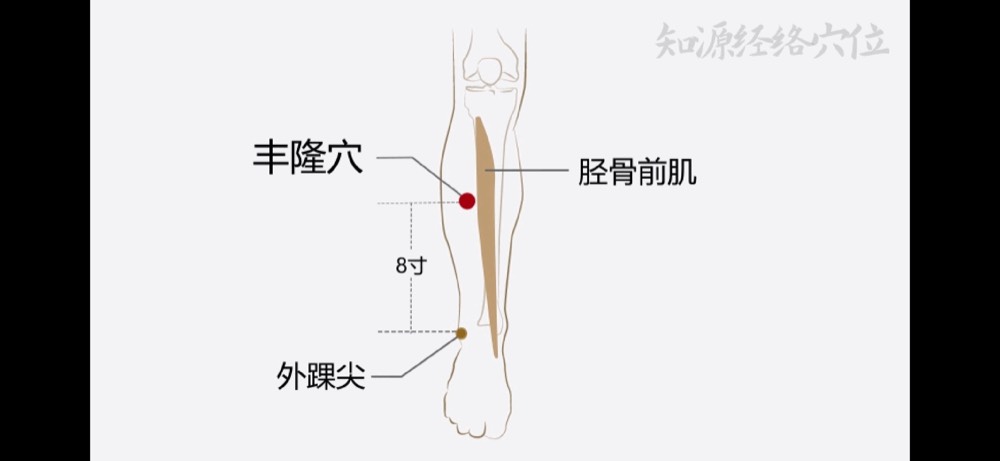
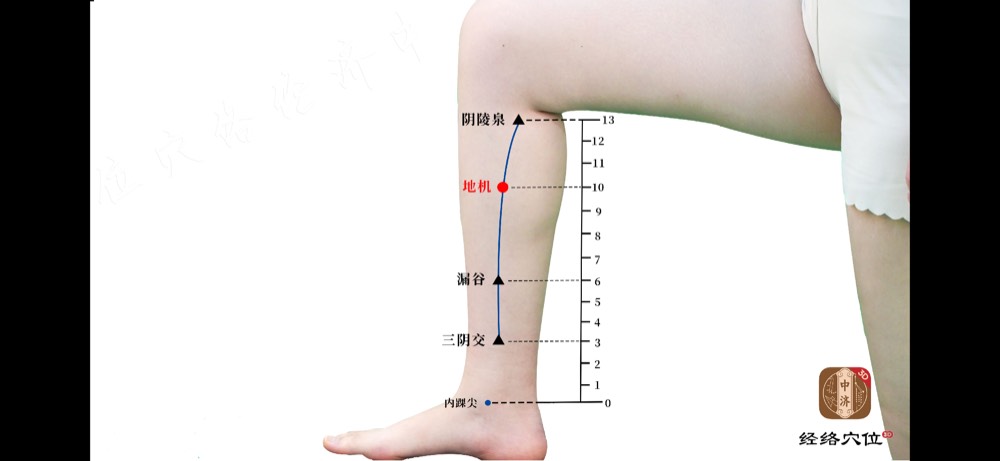
The points classical practice reaches for here are Fenglong ST-40 ("Abundant Bulge"), midway between the outer knee eye and the outer ankle bone, two finger-widths outside the shinbone; Yinlingquan SP-9 ("Yin Mound Spring"), in the hollow below the inner knee where your thumb stops as it slides up the inside of the shin; and Zusanli ST-36 ("Leg Three Li"), a hand-width below the kneecap, to support the Spleen that is being asked to do the work.
One distinction matters before you change anything. Damp with a white greasy coating, chilliness and no thirst is a cold-damp picture. Damp with a yellow greasy coating, a bitter taste, strong body odour and skin flare-ups is damp-heat, and it calls for the opposite kind of food. Getting these two the wrong way round is the most common error I correct.
What’s Real, What’s Myth
Myth: coix seed (薏米, Job’s tears) is one ingredient with one use. This is the mistake I see most. Raw coix seed is cooling and belongs to a damp-heat picture. Dry-fried coix seed (炒薏米) is warmer, supports the Spleen, and is the correct form for the cold, phlegm-damp picture described in this article. Using raw coix seed daily for a cold-damp pattern tends to make the heaviness worse, not better.
Myth: you can sweat damp out in a sauna. Heavy sweating drains qi and leaves most people flatter afterwards, and damp is not sitting in the skin waiting to be pushed out. Steady daily movement that raises your temperature gently does far more than one hot session a week.
Myth: drinking litres of extra water will wash it out. In this framework the problem is not too little fluid — it is fluid the body is not managing. Adding more to a system already struggling to move what it has tends to add to the heaviness. Warm drinks in normal amounts suit this pattern better than cold water by the litre.
Myth: brain fog means you need stronger coffee. Coffee lifts the fog for ninety minutes and, for most damp people, worsens the afternoon and the following morning. The uncomfortable truth is that a mediocre fifteen-minute walk before breakfast beats a good espresso for this particular pattern.
Real: reducing the input works faster than any single food you add. Classical practice cuts the source before it addresses what has accumulated, and in my clinic the people who see change in two weeks are almost always the ones who changed what was going in.
Six Things You Can Do This Week
1. Cut the source for two weeks. Sweets and sweet drinks, fried and heavy food, dairy in quantity, and cold or iced drinks — these are the four that generate damp fastest in this framework. This step comes first, and it does more than the other five combined.
2. Make dry-fried coix and chenpi congee. Dry-fry coix seed (炒薏米) in a pan until it smells nutty, then cook a small handful with rice and a thumbnail of chenpi (陈皮, aged tangerine peel). Use the dry-fried form for this pattern, not the raw one.
3. Press Fenglong ST-40 ("Abundant Bulge") for one to two minutes each side. It sits midway between the outer knee eye and the outer ankle bone, about two finger-widths lateral to the shinbone, and it often feels notably sore in this pattern — that soreness itself is informative.
4. Press Yinlingquan SP-9 ("Yin Mound Spring") for a minute each side. Slide your thumb up the inner edge of the shinbone until it comes to rest in the hollow just below the knee. Steady pressure, not deep digging.
5. Soak your feet at 40–42°C (104–108°F) for fifteen minutes with a few slices of fresh ginger, three or four evenings a week. Stop before you sweat. If you have reduced sensation in your feet, neuropathy or circulation concerns, check the temperature with a thermometer and speak with your doctor before making this a habit.
6. Move before you eat in the morning, and keep any daytime nap under thirty minutes. Fifteen minutes of brisk walking before breakfast changes the shape of the whole morning for most people with this pattern, and long naps reliably deepen the heaviness rather than clearing it.
When to See a Doctor
Waking unrefreshed has several ordinary medical explanations worth checking properly. The one I refer on most often is disturbed breathing in sleep — if you snore loudly, if anyone has noticed you stop breathing, or if you fall asleep easily during the day, ask your GP about a sleep study. It is common, frequently missed, and no amount of food adjustment substitutes for it.
See your GP promptly for a headache that is severe and sudden, a headache that is worst on waking and comes with vomiting, new confusion, new memory problems, or any weakness, numbness or speech change. These are not pattern questions.
Book an appointment for swelling of both ankles that does not settle overnight, for breathlessness on mild exertion, or for fatigue that has been building over months. Standard blood work — thyroid function, iron, B12, blood sugar, liver and kidney function — is the sensible first step, and worth doing before assuming this is dietary.
Also worth mentioning to your doctor: any new medication started in the months before the heaviness began, and alcohol intake, which produces this exact picture more often than people expect.
Which Constitution This Usually Points To
Morning heaviness, a wrapped-feeling head, a thick white greasy tongue coating, sluggish digestion and symptoms that worsen in humid weather point to a phlegm-damp constitution (痰湿质). This is the pattern that suits dry-fried coix, chenpi, warm food and daily movement.
If the coating is yellow rather than white, and it comes with a bitter taste in the morning, strong body odour, skin flare-ups or urgent bowels, you are more likely looking at a damp-heat constitution (湿热质) — same heaviness, opposite food direction. This is the fork in the road where guessing costs you months.
If you are not sure which side of that fork you sit on, the quick assessment on this site walks you through 29 gentle questions in about three minutes and gives you a daily plan matched to your type, including which form of each food suits you and which to avoid.
Watch: Jimmy explains this in the clinic
Keep Reading
How to Clear Dampness
The TCM view on heaviness, bloating, and that waterlogged feeling.
Read →What Does My Tongue Say?
Reading coating, colour, teeth marks and shape the TCM way.
Read →Tap the Side of Your Body
A five-minute morning routine along the outer thigh for the days you wake up heavy and slow.
Read →Aged Tangerine Peel
The most used ingredient in Chinese home cooking, and the least known outside it.
Read →The Spring Reset Myth
Why a juice week leaves so many people colder and flatter — and what the classics said instead.
Read →Stiff Back From Sitting
Why stretching the sore spot does so little — and where the classics send you instead.
Read →Find Your Constitution
29 gentle questions, about three minutes, and you have your TCM body type — so this guidance actually fits you.
Take the quick quiz →Related
Learn about the Phlegm-Dampness constitution →Frequently Asked Questions
How do I tell dampness from ordinary tiredness?
Two clues. Dampness feels heavy rather than empty — like weight rather than depletion — and it usually eases once you start moving. Ordinary exhaustion feels hollow, worsens with activity, and improves with rest. The tongue helps too: a thick greasy coating points to damp, while a pale thin tongue points more toward depletion.
Should I use raw or dry-fried coix seed?
For the cold, heavy, white-coated picture in this article, use the dry-fried form (炒薏米). Raw coix seed is cooling and belongs to a damp-heat picture with a yellow greasy coating. Getting these the wrong way round is the most common mistake I correct, and it is why people report that coix seed did nothing for them.
Does dampness get worse in certain seasons?
Yes, noticeably. Humid weather, the rainy weeks of late spring, and any sudden change to muggy conditions all deepen the pattern. Air conditioning blowing directly on you is a specific aggravator in this framework, because it closes the surface while the air around you stays heavy.
How long until the fog lifts?
Most people notice a difference in the second week, mainly from cutting the source rather than from anything added. Meaningful change in the tongue coating takes closer to six to eight weeks, since damp is described as slow and sticky by nature. If nothing at all shifts in two months, have your doctor check the ordinary causes.
Last updated: 2026-07-13
This page offers general TCM educational perspectives, not medical advice or a diagnosis. For any health concern, please consult a licensed healthcare professional.