Cold Beer and Charred Meat — What a Summer of Barbecues Does to the Middle
Not a lecture about drinking. A specific point about temperature, richness and the order they arrive in.
Reviewed by Jimmy Yu, Certified Acupuncturist · Updated 2026-07-13
Quick answer
In Chinese medicine, cold drinks demand warmth from the digestion while rich, fatty food demands capacity. Beer with barbecue delivers both at once, which is why the combination produces bloating, a heavier middle and poor mornings more reliably than either does alone.
The Belly That Arrived Over One Summer
Men notice this in September rather than in July. The trousers do up differently, and the change has happened in the middle specifically — soft and distended rather than solid.
Alongside it, a set of things that are easy to file under summer. Mornings that start heavy and foggy. Loose or urgent bowels once or twice a week. A tongue with a thick coating that has been there so long it looks normal.
The behaviour is worth being specific about, because it is a combination rather than a single item. Cold beer straight from the ice, and rich, fatty, charred meat, eaten late, in quantity, sitting still.
To be clear about what this is not: it is not an argument that you should not have a beer at a barbecue. It is a point about what that particular combination asks of the middle of your body, and about the order in which things arrive.
How Chinese Medicine Reads It
The classical image for digestion is a warm pot over a steady flame. Everything the tradition says about eating follows from it, and it explains why temperature and richness are two separate variables.
A cold drink is a temperature demand: the body has to bring it up to working heat before anything useful happens. Rich, fatty food is a capacity demand: it is substantial, slow and requires the flame to be strong. Deliver both at once and you have the hardest combination in the tradition’s book.
The Suwen chapter "Sheng Qi Tong Tian Lun" (《黄帝内经·素问·生气通天论》) is blunt about the rich half of it
膏粱之变,足生大丁
a diet of rich, fatty food brings its own consequences. Rich food has been recognised as a category of problem for two thousand years.
《黄帝内经·素问·生气通天论》
Beer specifically is an interesting case in this framework. It is cold as served, sweet in character, and produces what the tradition calls damp — the heavy, sticky, slow quality that accumulates low in the body and clouds the head. The word people reach for in English is bloated, which is close enough.
This is why the middle is where it shows. Damp in this system is heavy and downward-tending, and the soft, distended abdomen that arrives over a summer is the classical picture of accumulation rather than simply of extra food.
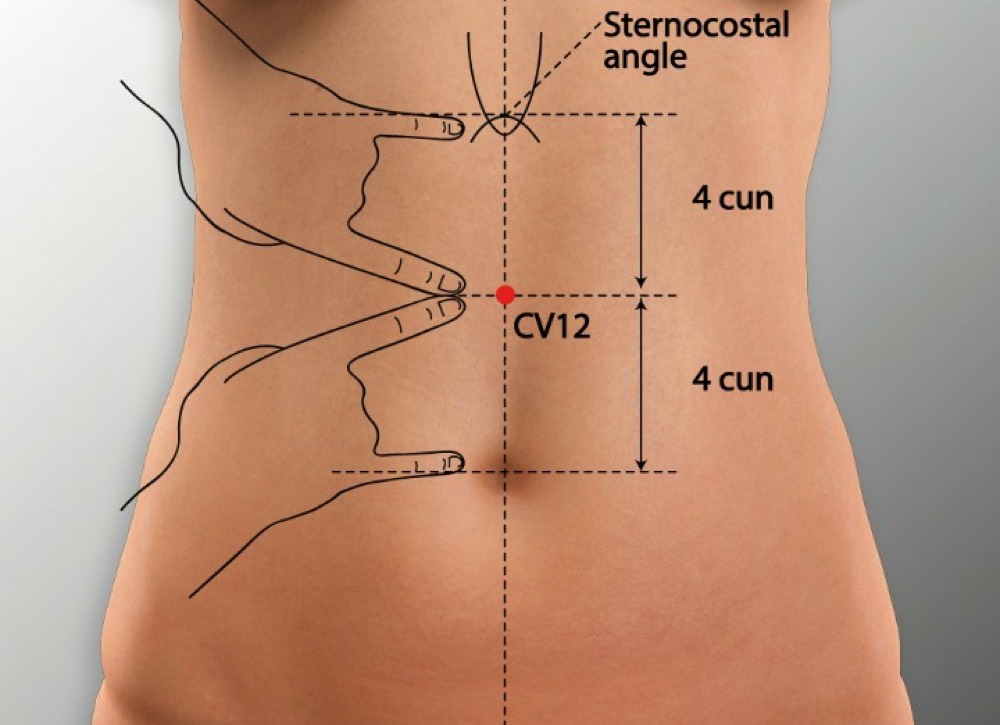
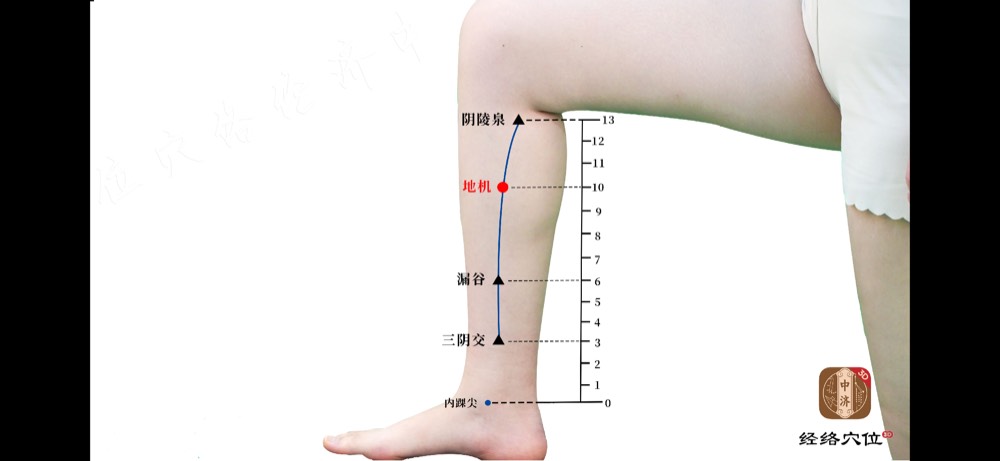
The points here support the flame rather than attack the accumulation. Zhongwan CV-12 ("Middle Cavity") sits midway between the navel and the base of the breastbone, directly over the stomach. Zusanli ST-36 ("Leg Three Li") sits a hand-width below the kneecap. Yinlingquan SP-9 ("Yin Mound Spring") sits in the hollow below the inner knee and is the one for heaviness and puffiness.
What’s Real, What’s Myth
Myth: a beer belly is only about the number of drinks. The quantity matters, obviously. What the pattern view adds is why two men drinking the same amount look different — and why cold beer with rich food produces more of it than the same beer with a light meal or on its own.
Myth: switching to spirits solves it. Spirits are drier and less damp-producing in this framework, which is a real distinction, but they are also more heating. Men who switch often trade a heavy middle for a red face, a bitter morning taste and worse sleep. Less of either is the honest answer.
Myth: you can undo it with more training. A hard session on a system that is already heavy tends to leave men flatter rather than lighter, and the middle does not respond much. In classical order you cut the source first, then address what has gathered — that sequence is not optional.
Myth: this is only a summer problem. The behaviour is seasonal; the accumulation is not. Damp is described as sticky and slow to shift, which is why the September middle is still there in November unless something changes.
Real: the temperature of the drink is a variable you can change without changing the amount. Beer at cellar temperature rather than from the ice, and a glass of warm water alongside it, genuinely alters how the evening sits. Men are sceptical and then surprised.
Six Things You Can Do This Month
1. Cut the source before you do anything else. Fewer drinking evenings, less fried and fatty food, fewer late meals. Classical practice addresses what is coming in before what has gathered, and skipping this step is why the rest under-delivers.
2. Change the temperature, not just the quantity. Beer out of the fridge for twenty minutes rather than out of the ice bucket, and a glass of warm water between drinks. Small, easy, and it changes how the following morning starts.
3. Eat before you drink, and eat something warm. Arriving at a barbecue hungry and starting with cold beer is the exact sequence that produces the worst results. A small warm meal beforehand changes the whole evening.
4. Make dry-fried coix seed and chenpi congee the morning after. A small handful of dry-fried coix seed (炒薏米) with rice and a thumbnail of chenpi (陈皮, aged tangerine peel). Use the dry-fried form for a heavy, cold picture; the raw form belongs to a hot, bitter-tasting one instead.
5. Warm the middle and press two points. A warm palm over Zhongwan CV-12 ("Middle Cavity") for five to ten minutes when distended, then Zusanli ST-36 ("Leg Three Li") and Yinlingquan SP-9 ("Yin Mound Spring") for a minute each side, sitting down.
6. Walk after dinner, every night. Ten minutes minimum. For a damp picture this outperforms an extra gym session, and it is the habit most likely to still be in place in three months.
When to See a Doctor
Some abdominal changes need assessment rather than a food plan. See your GP for a middle that is firm and swelling rather than soft, for abdominal swelling that has come on over weeks, for pain in the upper right abdomen that comes in episodes or travels to the shoulder blade, or for yellowing of the eyes or skin.
Book an appointment for blood in your stool or black stools, for a change in bowel habit lasting more than three weeks, for unintended weight loss, for persistent vomiting, or for abdominal pain that is severe or wakes you at night.
Ask for liver function tests and a general check if drinking has been heavy or regular over a period, and be honest about the amount — the numbers only help if the history is accurate. Reflux most weeks, or upper abdominal burning, is also worth reviewing rather than medicating indefinitely.
And if you are drinking more than you intend to, if you find it hard to have evenings without it, or if you are using it to come down after work, please raise it with your GP. That is a common and very manageable conversation, and it is worth having earlier rather than later.
Which Constitution This Usually Points To
A soft, distended middle, heavy foggy mornings, a thick white greasy tongue coating and symptoms that worsen in humid weather point toward a phlegm-damp constitution (痰湿质). For this pattern the order is fixed: cut the source first, then work on what has gathered — and dry-fried coix seed with chenpi is the classical kitchen pairing.
If the coating is yellow rather than white, with a bitter taste in the morning, urgent bowels, strong body odour and a red face after drinking, that is a damp-heat picture (湿热质). Same behaviour, different consequence, and the food direction flips to the cooling side.
If bloating comes with loose stools, cold hands and a real dislike of cold drinks, a yang-deficient picture (阳虚质) sits underneath, and the ice is costing you more than the alcohol.
The quick assessment on this site walks you through 29 gentle questions in about three minutes and gives you a daily plan matched to your type, including which form of each food suits you.
Keep Reading
How to Clear Dampness
The TCM view on heaviness, bloating, and that waterlogged feeling.
Read →What Does My Tongue Say?
Reading coating, colour, teeth marks and shape the TCM way.
Read →Morning Fog and Heaviness
Why you wake up unrefreshed after eight hours — and the pattern Chinese medicine calls dampness.
Read →Tap the Side of Your Body
A five-minute morning routine along the outer thigh for the days you wake up heavy and slow.
Read →Aged Tangerine Peel
The most used ingredient in Chinese home cooking, and the least known outside it.
Read →The Spring Reset Myth
Why a juice week leaves so many people colder and flatter — and what the classics said instead.
Read →Find Your Constitution
29 gentle questions, about three minutes, and you have your TCM body type — so this guidance actually fits you.
Take the quick quiz →Related
Learn about the Phlegm-Dampness constitution →Frequently Asked Questions
Is beer worse than wine or spirits?
In this framework beer is the most damp-producing — cold, sweet and taken in volume — which is why it shows in the middle. Spirits are drier but more heating, and often produce a red face, a bitter morning taste and worse sleep instead. The honest answer is that less of any of them helps most.
Does letting the beer warm up really matter?
It is a smaller change than drinking less, and it is not nothing. Cold and rich arriving together is the hardest combination for the digestion in this framework, so removing the cold half — beer at cellar temperature, warm water alongside — changes how the following morning starts.
How long to shift a heavy middle?
Damp is described as sticky and slow, so expect six to eight weeks before the tongue coating changes and a season for the middle. Most men notice mornings improve in the second week, which is usually enough to keep them going.
What should I eat at a barbecue?
Eat something warm beforehand so you do not arrive hungry, take more of the grilled vegetables and less of the fattiest meat, keep a glass of warm water going alongside, and walk for ten minutes afterwards. None of that requires you to be the person not enjoying themselves.
Last updated: 2026-07-13
This page offers general TCM educational perspectives, not medical advice or a diagnosis. For any health concern, please consult a licensed healthcare professional.